
Header Punches & Punch Pins
Custom Brass Forming Punch and Die Set
Custom punch and die set for brass or non-ferrous cold forming. Jungu checks material pickup, surface marks, punch-die alignment, cavity finish, and release route before quoting.
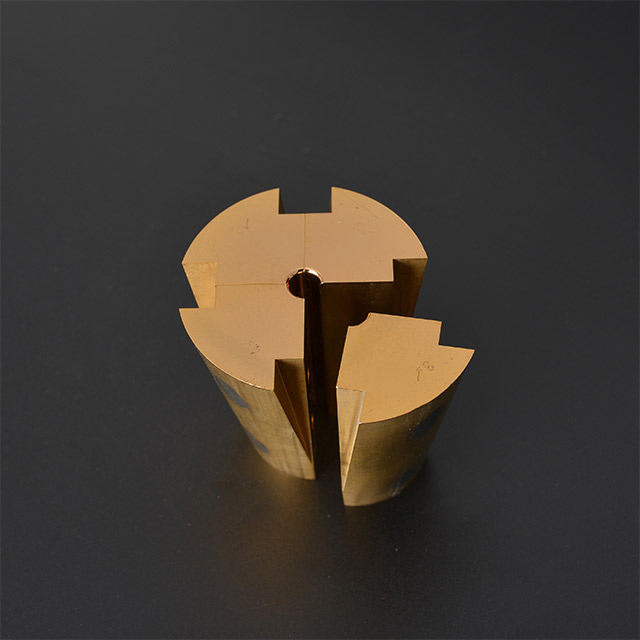
What is Custom Brass Forming Punch and Die Set used for?
A custom brass forming punch and die set is used when brass or another non-ferrous material needs a shaped head, recess, hole, or formed profile. Brass behaves differently from carbon steel in cold forming: it can show pickup, surface scoring, edge smearing, or sticking if the cavity finish, punch surface, lubrication, and release angle are not matched. A tool that works for steel may mark brass parts because the contact pressure and surface route are different. Jungu reviews the part drawing, brass grade, blank size, surface requirement, punch alignment, die cavity, coating or polish route, lubrication, and photos of galling, scratches, sticking, or dimensional drift before quoting.
Common sourcing use
Brass and non-ferrous part cold forming where surface finish, material pickup, punch-die alignment, and release route affect acceptance.
Related product families
Technical Review Scope
What Jungu checks
- Part drawing, formed profile, recess or hole geometry, tolerance, and surface requirement
- Brass grade, blank size, hardness, surface condition, lubrication, and cleaning route
- Punch alignment, die cavity, release angle, polish route, coating option, and contact pressure
- Failure: galling, scratches, edge smearing, sticking, pickup, poor fill, or dimensional drift
Why no standard price is shown
Brass punch-and-die tooling is quoted after the brass grade, surface requirement, punch-die alignment, release geometry, polish or coating route, lubrication, and current pickup marks are reviewed together.
Information Needed for Quotation
| Part geometry | Drawing with profile, hole or recess, tolerance, and visible-surface requirements. |
|---|---|
| Material data | Brass grade, blank size, hardness, surface condition, lubrication, and cleaning method. |
| Tool route | Punch drawing, die cavity, alignment method, polish route, coating option, and release angle. |
| Defect evidence | Photos of galling, scratches, sticking, edge smearing, material pickup, or drifted dimensions. |
Application and Buyer Fit
| Typical application | brass and non-ferrous part cold forming where surface finish, material pickup, punch-die alignment, and release route affect acceptance |
|---|---|
| Buyer review focus | brass grade, surface requirement, blank size, punch alignment, die cavity polish, lubrication, pickup, and galling evidence |
| Quotation basis | drawing, material, tolerance, machine model, quantity, and target tool life |
| Review output | a punch-and-die route matched to brass forming pressure, surface finish, release angle, and inspection target |
Inquiry Process
- Send drawings and application details.
- Jungu reviews manufacturability and tooling route.
- Engineering confirms material, tolerance, and mould-life target.
- Quotation and lead time are prepared after technical confirmation.
FAQ
Can steel tooling parameters be reused for brass?
Not safely by default. Brass surface behavior and pickup risk require a separate finish and release review.
What causes scratches on brass parts?
Scratches may come from tool pickup, rough cavity finish, sharp contact edge, dirty blank surface, or transfer handling.
Is coating required?
Sometimes, but polishing, release angle, lubrication, and cleaning may matter more than coating alone.
Can one surface route be reused for every brass grade?
Not safely. Brass grade, surface requirement, contact pressure, lubrication, release, and cleaning can change pickup behavior, so the route should follow the actual material and defects.
Need this tooling reviewed?
Send drawings, machine model, material, and current failure photos for review.