
Making Small Parts, Writing Big Future
How drawing records, failure evidence, supplier qualification, and technical review improve procurement of custom fastener tooling.
Source basis: Jungu customer project records and technical review notes. Customer names, drawings, and production data are anonymized unless publication was authorized.
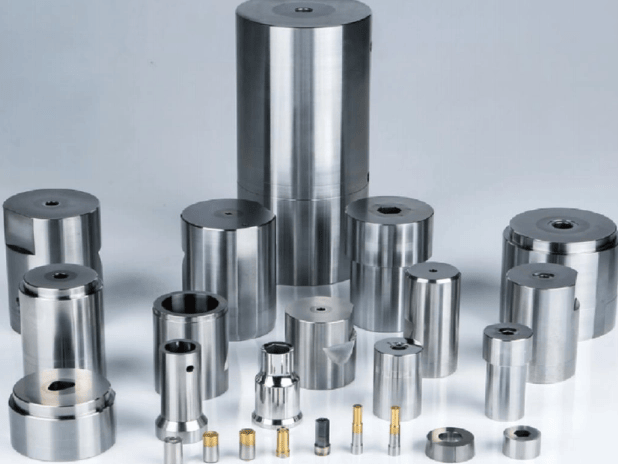
Making “Small Parts”, Writing “Big Future”
Fastener tooling may be small on a drawing, but a small error in the working profile, support structure, machine interface, or material route can stop an entire production line. For overseas buyers, the useful question is not whether a supplier can describe advanced manufacturing. It is whether the supplier can turn the drawing and production problem into checks that can be reviewed before quotation.
Three Strategic Pillars
1. Technological Accumulation
Useful manufacturing knowledge comes from traceable project records. For a custom die or punch, that record should connect the drawing revision, fastener material, machine model and station, tooling interface, inspection method, observed failure pattern, and corrective action. When a similar RFQ arrives, the team can compare these inputs instead of relying on a generic material recommendation.
2. Brand Building
For a B2B buyer, trust comes from evidence that procurement can check: company information, the ISO 9001 certificate, workshop and inspection-equipment photos, drawing-review questions, and clear limits on what can be confirmed before a trial. These signals are more useful than an unsupported claim about service coverage or universal tool life.
3. R&D Breakthroughs
Tooling improvement starts with the failure mark. Edge chipping, galling, poor fill, dimensional drift, and uneven wear point to different combinations of geometry, material support, alignment, lubrication, and forming load. Jungu uses drawings, rejected-part photos, and current-tool photos to decide which variables need review before a replacement tool is made.
Industry Impact
The practical result is a clearer supplier conversation. Buyers can compare tooling routes, inspection points, and failure risks before committing to production, while the manufacturer receives enough information to avoid quoting a custom die from a product name alone. Send the part drawing, material, machine model, tooling interface, and current failure photos when available; those inputs create a stronger starting point than broad precision claims.