


Author: Site Editor Publish Time: 2026-02-14 Origin: Site
Although small in size, charger plug pins (AC blades) are critical safety and performance parts in Apple power adapters. They influence insertion feel, electrical contact stability, plating quality, and long-term reliability. This case study explains how JUNGU (Suzhou Jungu precision mould Co.,Ltd.) addressed high-volume production issues for Apple charger plug pin molds through structural optimization, material & surface upgrades, and precision manufacturing improvements—achieving better dimensional consistency, surface quality, and tool life.
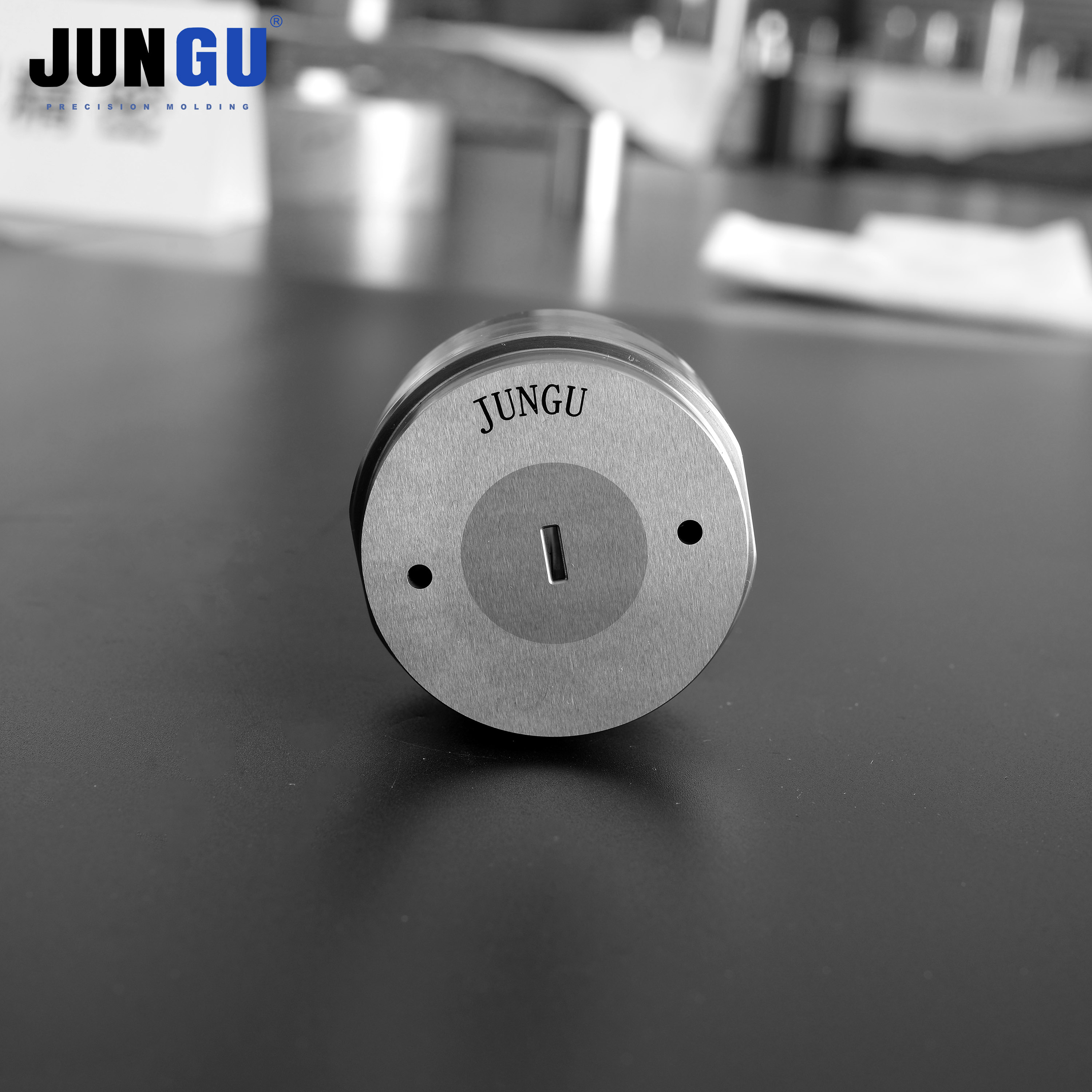
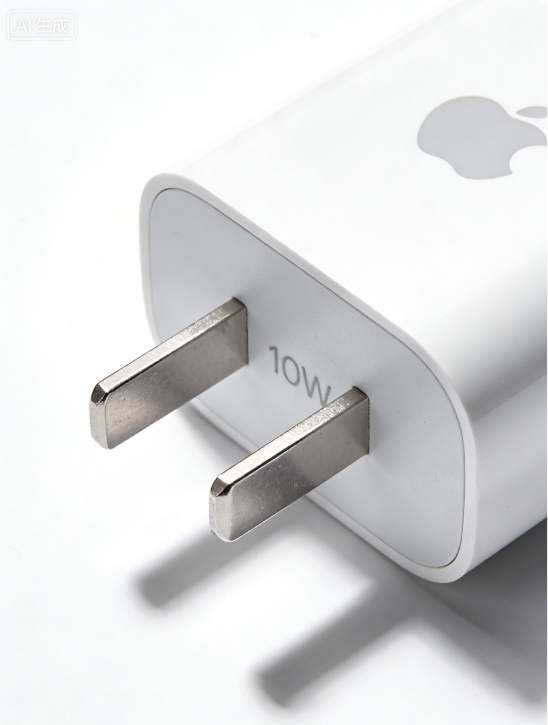
Apple charger plug pins are typically formed from high-conductivity copper alloys/brass and may require downstream plating and strict appearance standards. Their manufacturing is defined by small geometry, complex profiles, tight tolerances, and massive production volume. Under high-speed stamping/cold forming, an incomplete tooling strategy often leads to:
Dimensional drift: thickness/width variation, step misalignment, and inconsistent radii/chamfers affecting assembly and insertion force
Surface defects: galling, micro-scratches, flow marks, or micro-cracks that reduce plating adhesion and increase contact resistance variability
Short tool life: accelerated wear in punches, die cavities, and guiding areas causing burr growth and instability
Low production efficiency: frequent maintenance and unplanned downtime impacting yield and delivery
Customer targets were clear: consistency, durability, and throughput.
(We follow a similar “application → challenges → solutions” logic, but the headings and expression are intentionally different from the reference article.)
Application:
Precision cold forming/stamping of Apple charger plug pins (AC blades) for power adapters, meeting assembly fit, plating requirements, and safety standards.
Core Production Challenges:
Plug pins have thin sections and multiple fine features. Material flow and friction behavior strongly influence final dimensions and surface finish. Typical mass-production issues include high forming force, material sticking/galling, springback-induced tolerance shifts, and wear-driven burr increase.
To survive high-frequency cold forming while resisting abrasive and adhesive wear, JUNGU implemented a “tough substrate + hard, low-friction surface” approach:
Key load-bearing components use tool steel systems focused on high toughness and anti-chipping performance
High-friction zones adopt combined surface strengthening (e.g., nitriding and/or advanced coatings) to reduce friction and minimize galling
Lubrication compatibility and surface-state matching are optimized to avoid the failure chain of galling → built-up edge → accelerated wear
For plug pins, symmetry, parallelism, and step position are extremely sensitive. JUNGU improved stability via both structural constraints and geometry compensation:
A reinforced guiding system improves coaxiality and rigidity, reducing eccentric loading and one-sided wear
Critical contours are designed with springback-aware compensation, allowing formed dimensions to land reliably in the target window
Stress concentrations near sharp micro-edges are eased with controlled transitions to reduce micro-crack risks and hidden defects
Plug pin tooling must balance hardness (wear resistance) and toughness (anti-breakage). JUNGU combined controlled heat treatment with finishing processes:
Stable quenching/tempering control to achieve a repeatable hardness–toughness balance across tooling batches
Mirror-grade finishing on die cavities and forming surfaces to support smooth material flow and reduce scratch initiation
Improved micro-surface quality reduces plating-related risk points and increases long-term process consistency
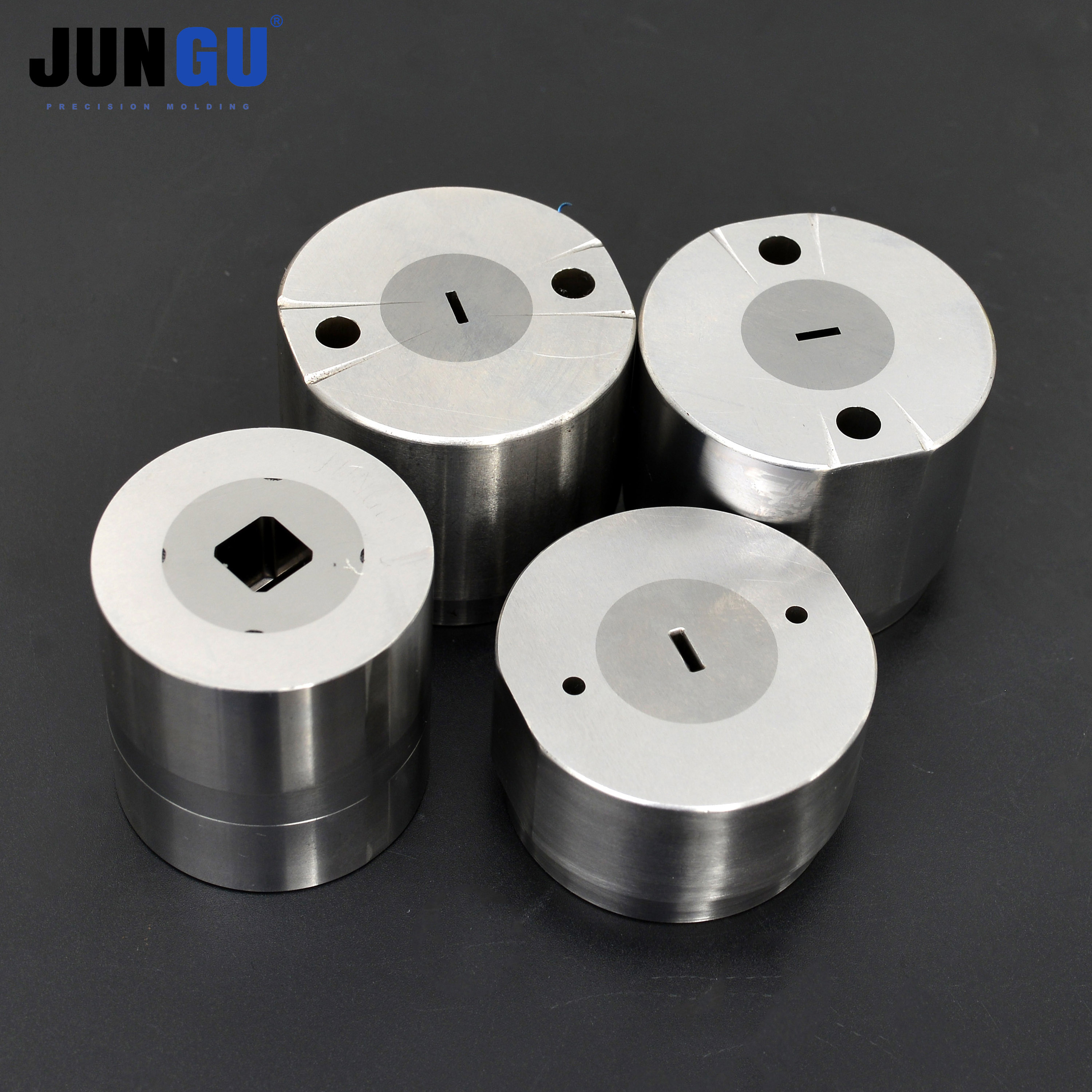
After the tooling and process upgrades were implemented, the production line achieved measurable improvements:
Stable key dimensions: thickness/width/positioning steps showed significantly reduced variation
Lower surface defect rate: fewer galling marks and micro-scratches, improving plating and electrical stability
Longer tool life: slower wear growth on punches and die cavities, fewer replacements, less downtime
Smoother cycle stability: reduced corrective maintenance, improved output stability and delivery reliability
For small precision parts, surface condition often determines whether a tool “runs clean” or constantly fights galling. JUNGU standardized a multi-stage polishing workflow with cleaning checkpoints to ensure repeatability.
Rough polish → Cleaning
Semi-finish polish → Cleaning
Final mirror polish → Cleaning
This approach minimizes residual abrasive contamination and micro-surface stress points, delaying fatigue initiation and reducing adhesive wear probability.
Some plug pin mold features are deep, narrow, or hard to reach with conventional cutting. Standard EDM can leave surface layers that increase polishing workload. JUNGU applied Mirror EDM in critical areas to improve overall manufacturability:
More stable discharge reduces carbon deposition and surface abnormalities
Higher surface finish lowers rework and supports consistent feature definition
Efficiency advantages with better electrode/process control and more continuous machining cycles
Mass production of Apple charger plug pins is not a single-parameter challenge—it is a system of material flow, friction control, tooling rigidity, heat treatment stability, and precision finishing. By integrating advanced surface engineering, compensation-driven design, and mirror-level manufacturing processes, JUNGU delivered a stable production solution with improved dimensional consistency, better surface quality, and extended tool life.
For professional precision tooling solutions in cold forming, stamping dies, punches, and high-performance mold manufacturing, please visit JUNGU precision mould for technical support and cooperation.


